Is there value in spending time and money to manage your P6 database? Absolutely. Most companies have no clue how it workS, until they lose everything.
Level 1: The Standalone Gamble
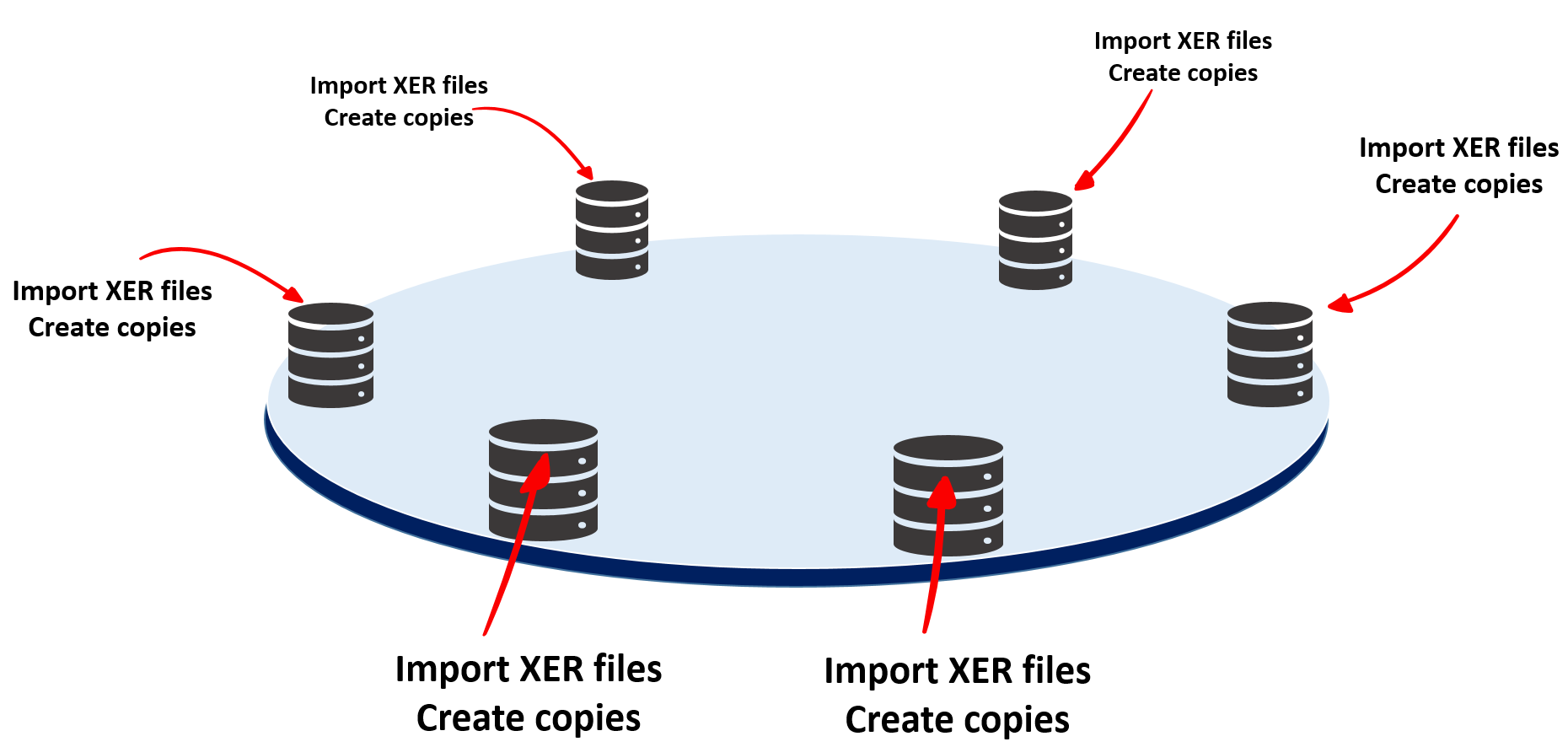
Planners operate on local databases (standalone) with no formal backup strategy. If a system fails, they rely on scattered .XER files, or worse, declare the data permanently lost. In this scenario, your company's intelligence is entirely dependent on an individual planner's tech-savviness.
Level 2: The "Superuser" Chaos
The company provides a server or cloud environment, but lacks a Planning Manager/ Database administrator who knows the P6 database operating environment. IT runs the back-end, resulting in every planner acting as a "Superuser."
The Result: A database clogged with thousands of duplicate resources, conflicting calendars, and "What-If" scenarios that eventually lead to corruption and massive recovery costs.
Level 3: Strategic Database Administration
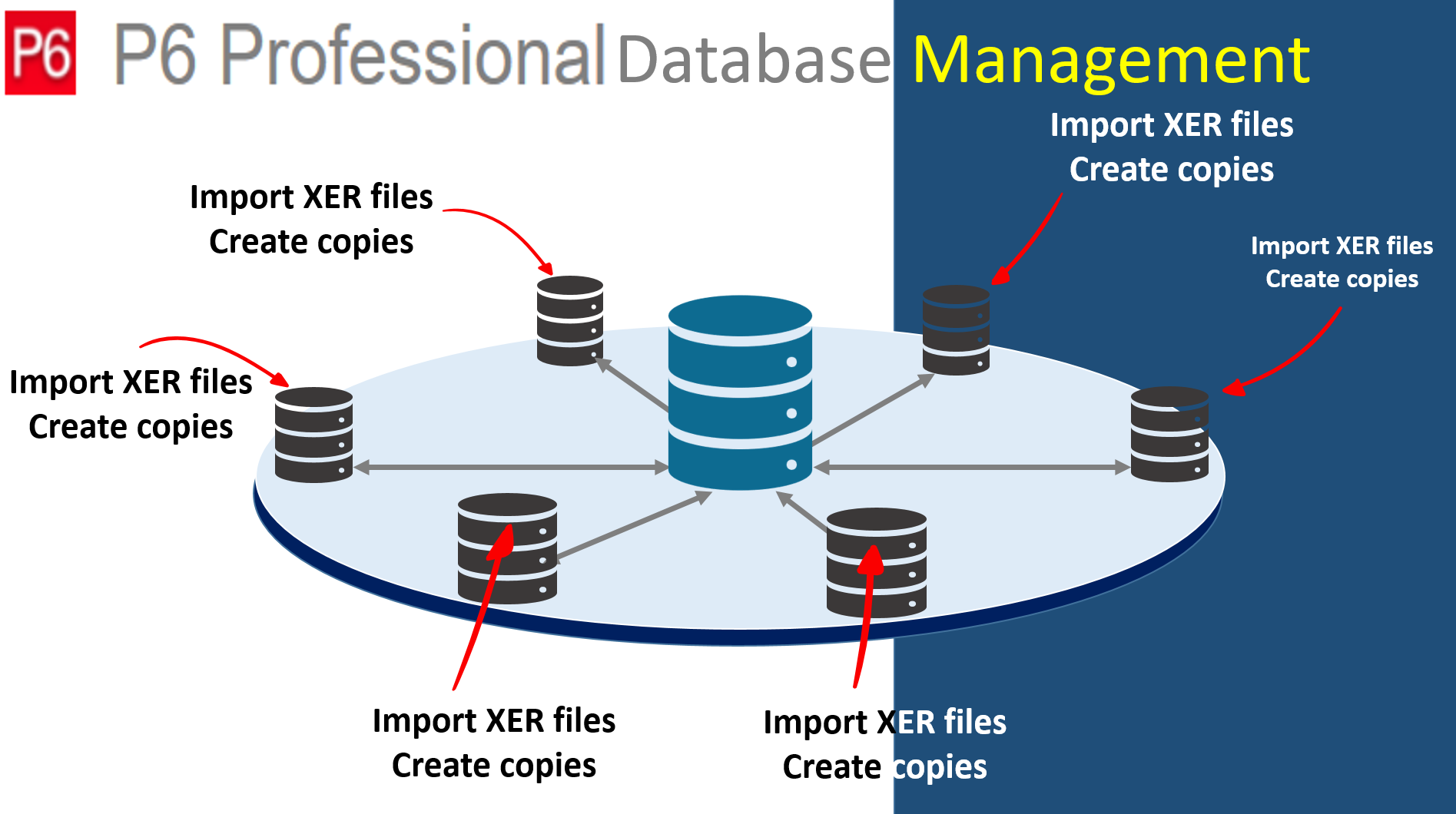
The gold standard. The company employs a dedicated Database Administrator who bridges the gap between IT and Scheduling. Procedures are in place for data management, resource pools, and security policies that protect the integrity of every project as well the database.
Protect Your Data Assets
Very few companies manage P6 effectively. If you don't want to lose your historical data and current progress, you need a system that survives beyond the individual planner.
Discussion
No comments yet. Be the first to share an insight.
Leave a Comment