A One-Sided Financial Story
In EPC Projects, the debate over weight value, progress, and invoice calculation is endless. It is almost impossible to satisfy everybody and, whatever decision gets made, someone will oppose it. In this post, we will look at the story from another angle which Contractors would like!
Generally, in the EPC projects, the cost of the procurement is high (50% or higher). To have more certainty in completion of projects and to keep the Contractors motivated, Clients dictate in the contract that the procurement invoices will be paid after installation or commissioning! On the other side, the contractor does pay the vendors in different stages of the process e.g. 20% after the drawing submission, 50% after manufacturing, 30% after delivery. In other words, the contractor pays from their account to the vendors, and the Client pays back several months or even year(s) later. Therefore, it could be considered that the contractor indirectly invests in the Client’s Project without having any return!
The Math of the Gap
To demonstrate the process, let’s consider a project whose Procurement value is $200. As per the Procurement schedule, the contractor will pay the vendors at different stages according to the table below:
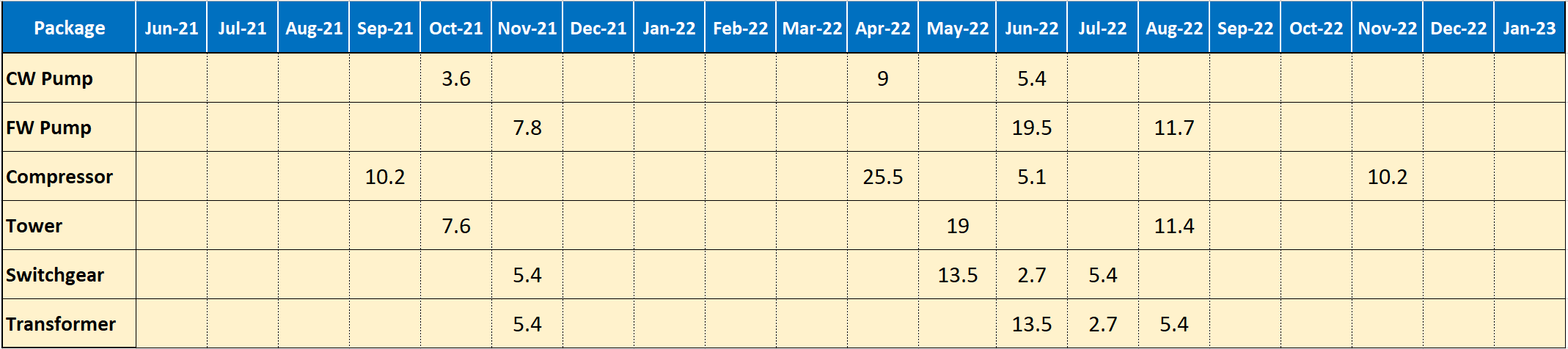
Contractor's Cash Outflow to Vendors
Meanwhile, the Client only reimburses the Contractor after commissioning is complete:

Client's Delayed Cash Inflow to Contractor
Visualizing the Deficit
To pay vendors, the contractor must either borrow money with interest or lose the interest they would have earned on their own capital. The graph below illustrates the summary of the above two tables. The contractor will receive the $200 at the end of the project!
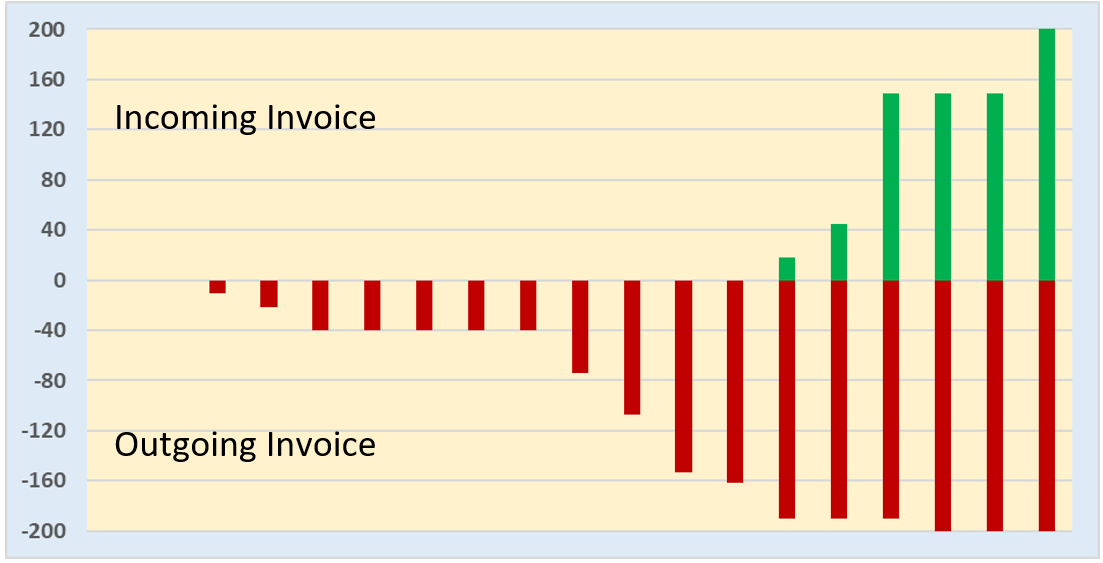
The Cost of Money
At a 5% annual interest rate, the "hidden cost" of this specific procurement process is $5.67. While that may seem small, look at how it erodes the profit margin. The calculation for the interest is illustrated in the next table:
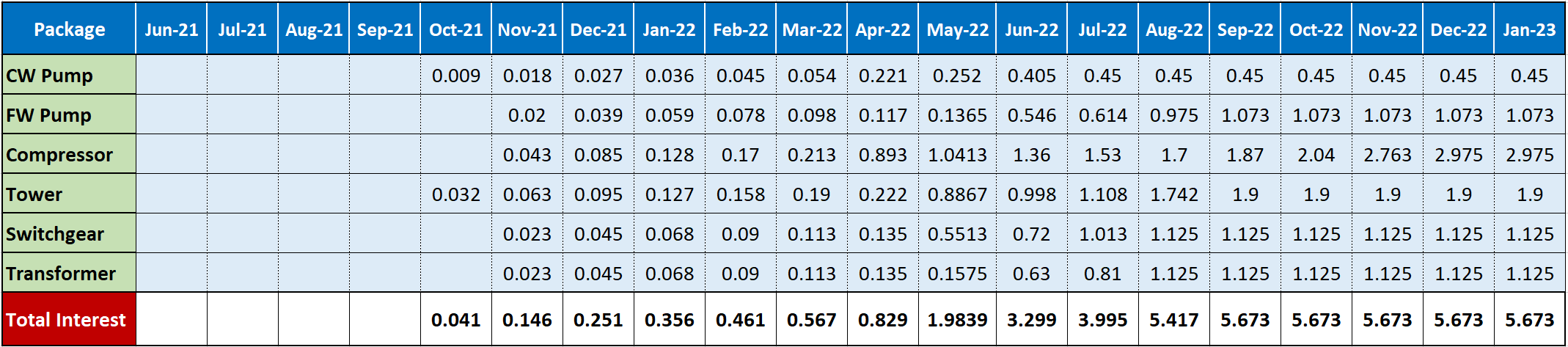
Questions for the Industry
- • Why should a contractor pay on behalf of the client and only be refunded several months later?
- • Does the client pay this interest back once the job is completed?
- • If an acceptable profit margin is 10%, this hidden cost slashes it to 7.2%. If the contractor knew the profit becomes 7.2% less, they would not have even tendered
- • Is this a fair or sustainable practice for the industry?
Discussion
No comments yet. Be the first to share an insight.
Leave a Comment